
PoE vs. Wi-Fi security cameras: surviving the Canadian winter
- Pay after the job
- Open 7 days
- $5M liability insurance
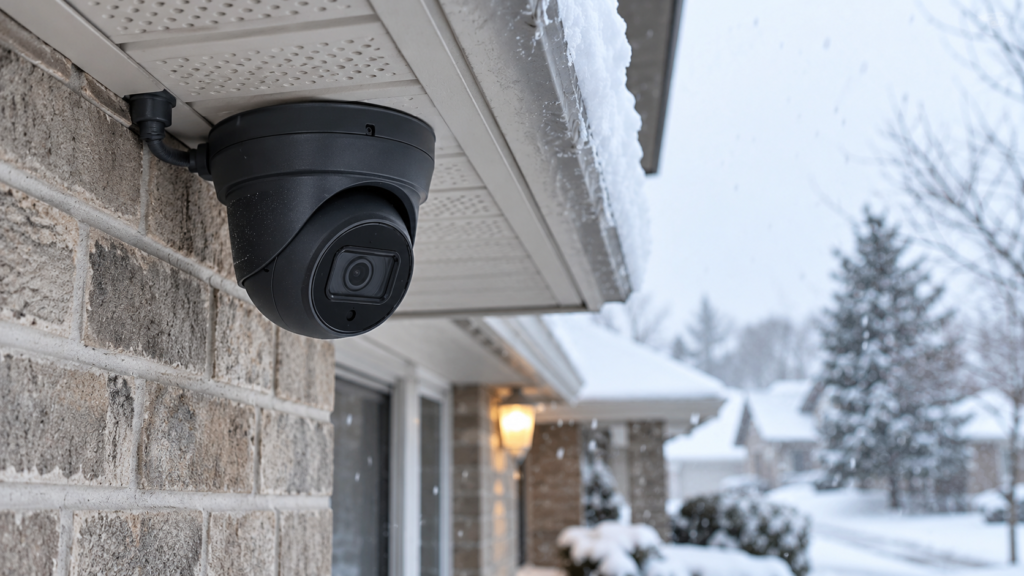
A security camera that dies every time the temperature drops isn’t securing anything. Every winter, the same support question shows up across Canadian homeowner forums: “why does my camera keep going offline?” The answer almost always traces back to one choice made at install time — wireless or wired. Here’s what actually happens to each type once the temperature drops.
The 4 things that actually decide this
Battery chemistry and cold
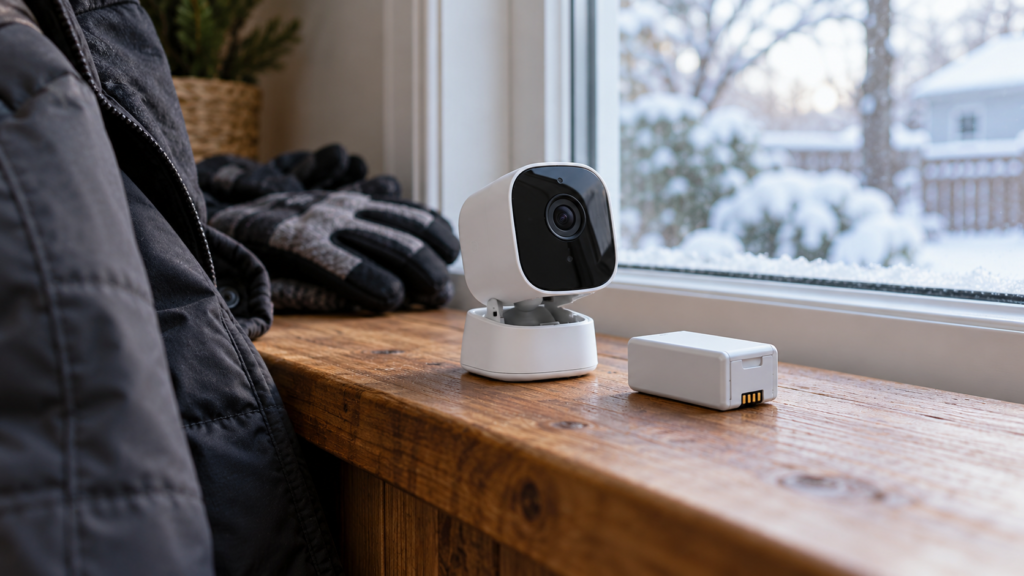
Standard lithium-ion batteries lose voltage fast as the temperature drops. Below roughly −20°C, that drop can be steep enough to push a camera below its functional threshold — it doesn’t just run out faster, it can stop responding altogether until it warms back up.
How the camera gets its power
PoE cameras draw continuous power over the same cable that carries their data, so battery chemistry is a non-issue. Wireless cameras rely entirely on the battery inside — which is exactly what fails in the scenario above.
Where the camera actually lives
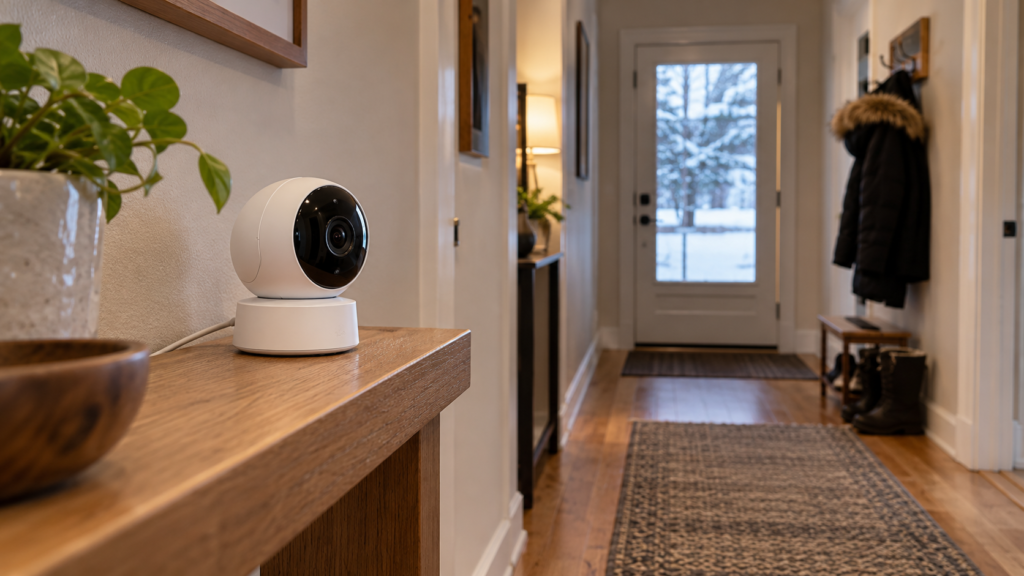
An interior camera in a heated hallway never sees the temperatures that cause this problem — wireless is fine there. An exterior camera on a north-facing wall in January is a different story entirely.
Whether it needs to tell snow from a person
Older motion detection triggers on any movement, and a windy snowfall produces near-constant false alerts. Cameras with AI analytics that specifically distinguish people and vehicles from blowing snow keep working the way they’re supposed to through the exact months that matter most.
Why PoE doesn't have this problem
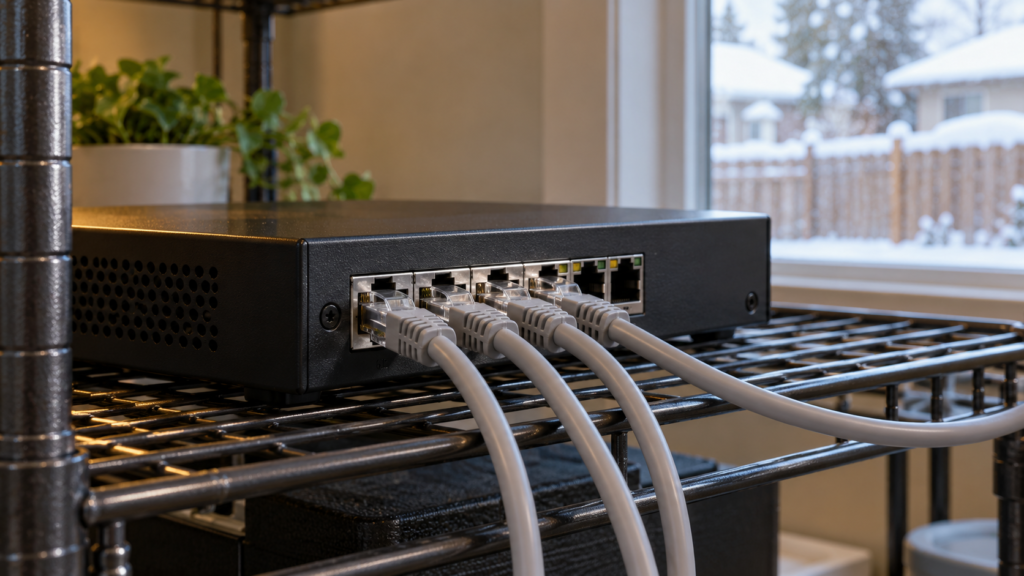
PoE stands for Power over Ethernet — a single cable carries both data and continuous electrical power to the camera, sourced from an indoor NVR or PoE switch. There’s no battery to fail, no voltage curve to worry about, and no monthly cloud subscription required since footage typically stores locally on the NVR.
The tradeoff is the install itself: running a cable to an exterior camera location takes more work than mounting a battery-powered unit and syncing it to an app. That upfront effort is what buys the winter reliability.
When wireless still makes sense
Wireless still has a real place. Interior cameras in heated spaces, mild-climate coastal regions of BC, rental properties where running cable isn’t an option, and budget-conscious single-camera setups are all reasonable cases for battery-powered wireless — the cold-weather failure mode simply doesn’t apply the same way indoors or in a milder climate.
If wireless is the right fit for your situation, using lithium (not alkaline) batteries specifically rated for cold weather meaningfully extends how far the camera can go before the voltage problem kicks in.
A practical middle ground many Canadian homes land on: PoE for anything exterior and north-facing, wireless for interior cameras and covered porches that never see the deepest cold. That split gets the reliability where it matters most without paying for a full wired install everywhere.
Want a camera system that actually survives winter?
Frequently asked questions
Almost always a battery voltage drop in cold temperatures. Below roughly −20°C, standard lithium-ion batteries can lose enough voltage to push the camera below its functional threshold.
It helps — cold-rated lithium batteries perform better than standard alkaline or lithium-ion — but it doesn’t eliminate the issue the way a wired PoE camera does.
Usually, yes, due to the cable run. It’s a one-time cost against a system that won’t drop offline every cold snap.
They need a network connection to the local NVR to record and to view remotely, but local recording continues even if your internet connection drops, unlike cloud-only wireless systems.
This is a motion-detection issue, not strictly a wireless-vs-PoE issue — cameras with AI-based person/vehicle detection handle snow far better than basic motion sensors on either type.