
Smart devices · 6 min read · updated oct 2026
Wired vs Battery Video Doorbell: Which Should You Choose?
By the Pixl Canada install team
Short answer
Choose a wired video doorbell if you already have doorbell wiring and a working transformer: it never needs charging and it can ring your existing chime. Choose a battery doorbell if you have no wiring, rent, or want the fastest install. Many battery models can also be hardwired later, so the choice is less final than it looks.
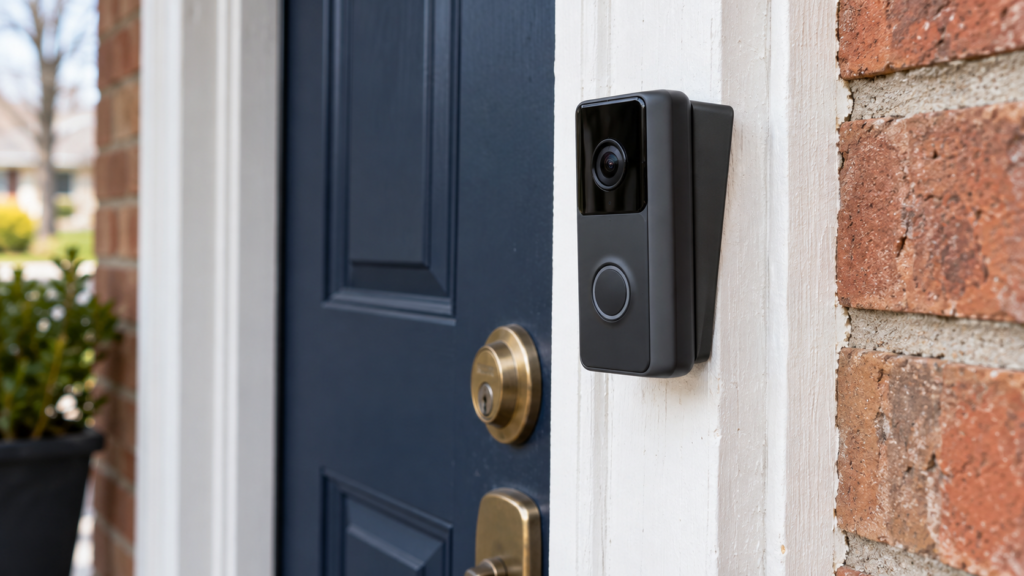
Battery video doorbell installation is $99 and wired is $149, before tax. You pay after the job. See smart home prices
Wired vs battery video doorbell at a glance
| Wired doorbell | Battery doorbell | |
|---|---|---|
| Power | Low-voltage doorbell wiring and a transformer | Rechargeable battery, with an optional wired connection on many models |
| Best for | Homes with existing doorbell wires | Rentals, condos, and doors with no wiring |
| Install effort | Higher: wires, transformer check, sometimes a power kit | Lower: bracket and screws, or adhesive mount where allowed |
| Upkeep | None for power | Recharge or swap the battery |
| Existing chime | Often works, depending on the model | Uses its own chime or a plug-in chime |
| Where you can place it | Where the wiring is | Almost anywhere |
| Pixl install price | $149 | $99 |
Prices are the Pixl Canada installation price before tax, not the price of the doorbell. You pay after the job.
The electrical details for wired doorbells
Ring’s help centre says its doorbells are designed to be hardwired to a low-voltage transformer, and that the voltage and VA rating of the transformer must fall in the range for your model. Using an incompatible power source can damage the device and cause electric shock. These are Ring’s published ranges at the time of writing:
| Ring model group | Transformer range |
|---|---|
| Battery doorbells (hardwired option) | 8 to 24 VAC, 5 to 40 VA |
| Video Doorbell Wired | 10 to 24 VAC, 8 to 40 VA |
| Video Doorbell Plus, Pro and the Wired 2K and 4K Pro models | 16 to 24 VAC, 10 to 40 VA |
Some models also need a small accessory when you connect directly to the transformer, such as a Pro Power Kit, and some are not compatible with an existing mechanical chime. Check your model on Ring’s hardwiring guidelines, and always turn off power at the breaker before you touch the wires.
How to check your existing wiring
- Find the transformer. It may be near the furnace, the electrical panel or a closet.
- Read the label. It lists the voltage (V) and the VA rating. Compare both with your doorbell’s requirements.
- Look at the chime. A mechanical chime may need a bypass or the right power kit.
- Test the existing button. If the old doorbell rings, you probably have working low-voltage wiring.
- Take photos. A clear photo of the transformer label and the wires makes it easy to check with an installer.
If the transformer is too weak, a new one is needed, and some installs must be done by a licensed electrician. When in doubt, ask before you open anything.
Battery video doorbell installation is $99 and wired is $149, before tax. You pay after the job.
When a battery doorbell is the better choice
- You have no doorbell wires, or the wiring is old and unreliable.
- You rent or live in a condo and cannot open walls.
- You want the doorbell on a different side of the door from the old button.
- You want a quick install with no electrical work.
The trade-off is upkeep. Battery life depends on how busy your door is, the camera settings and the temperature, and batteries lose capacity in cold weather. If you live somewhere with long winters, a wired setup avoids the problem. Our guide to PoE vs WiFi cameras for Canadian winters explains the cold-weather issue for cameras in general.
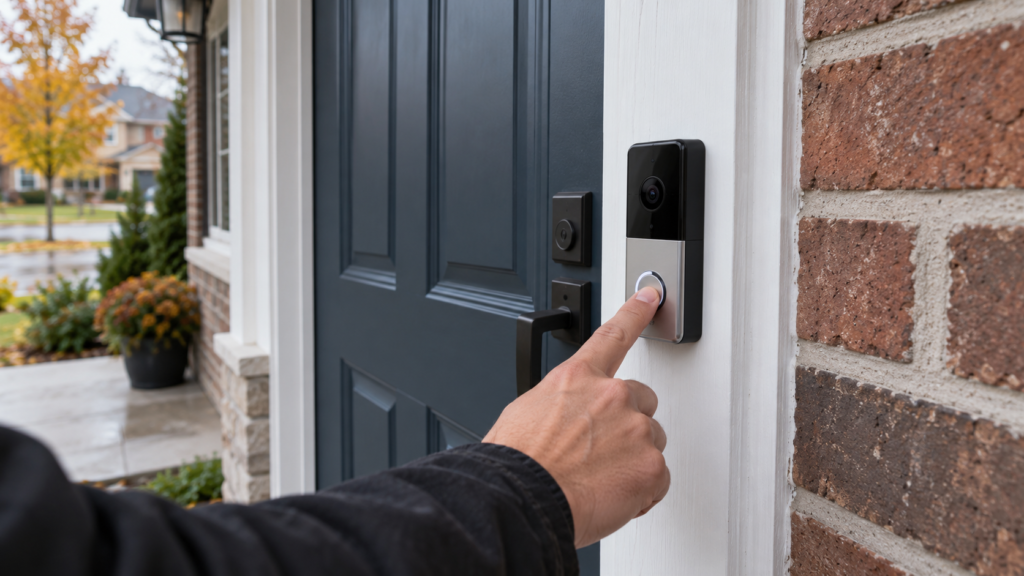
When a wired doorbell is the better choice
- You already have working doorbell wiring and a compatible transformer.
- You want a doorbell that never needs charging.
- You want it to work with your existing chime.
- You want the most reliable setup through a Canadian winter.
The middle option: a battery doorbell with wired power
Ring lists a hardwired option for its battery doorbells, with a wider range of 8 to 24 VAC. That means a battery model can sit on your existing wiring and keep its battery as a backup. If you are unsure which way to go, this option gives you flexibility. Check your specific model’s help page before you buy.
Privacy and placement
Wherever you mount it, check what the camera sees. Set privacy zones for a neighbour’s door or window and turn off audio. Read doorbell camera privacy settings and, if you live in a building, are doorbell cameras legal in Canadian condos.
Which one fits your home? Four common cases
| Your situation | Usually the better fit | Why |
|---|---|---|
| House with a working old doorbell | Wired | The wiring and transformer already exist |
| Rental or townhouse with no wiring | Battery | No electrical work and no damage to walls |
| Condo hallway door | Battery, with building approval | You may not be allowed to open walls or change shared wiring |
| Cold climate, busy street | Wired, or battery on wired power | Cold and frequent motion drain batteries |
Check your WiFi at the door first
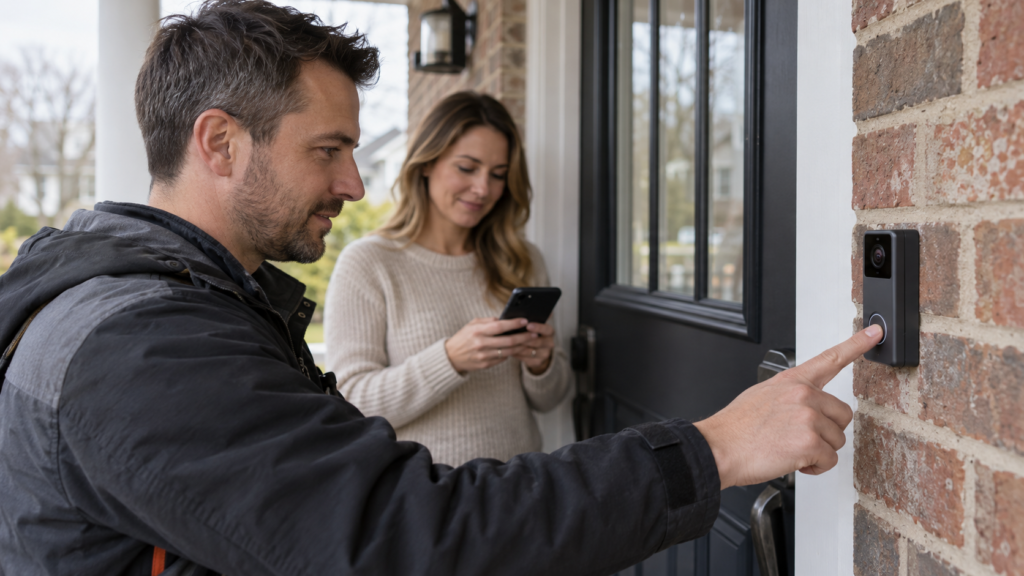
Both types need a steady WiFi signal at the door, and a weak signal causes slow alerts and missed video whatever the power source. Test the signal at the exact spot before you drill. Our WiFi dead zone checklist for doorbells and cameras shows how to test at the mounting point.
Mistakes to avoid
- Buying the doorbell before checking the transformer. The label decides which models will work.
- Working on live wires. Turn off the breaker first.
- Mounting before testing the view. A wide lens can capture a neighbour’s door.
- Ignoring the chime. Decide whether you want the old chime to ring or a new one.
- Forgetting the cold. Keep a spare battery or plan for wired power if winters are harsh.
What we install and what it costs
At Pixl Canada, battery video doorbell installation is $99 and wired video doorbell installation is $149, before tax. You pay after the job. If you want us to check your existing wiring first, call or text (587) 899-7495 with a photo of the transformer label. See smart home installation prices and our Ring doorbell installation guide for the DIY steps.
Frequently asked questions
Is a wired or battery video doorbell better?
Wired is better if you already have working doorbell wiring and want a doorbell that never needs charging. Battery is better when there are no wires, you rent, or you want a quick install.
Can a battery video doorbell be hardwired?
On many models, yes. Ring lists a hardwired option for its battery doorbells with a wider transformer range. Check your model’s help page first.
How do I know if my transformer works with a video doorbell?
Read the voltage and VA on the transformer label and compare them with the doorbell’s range. Different models need different ranges, so check the manufacturer’s page for your exact model.
Will a video doorbell work with my existing chime?
Often, but not always. Some models need a bypass or a power kit, and some are not compatible with a mechanical chime. Check your model’s instructions.
How long does a doorbell battery last?
It depends on the model, how often it records and the temperature. A busy front door or cold weather shortens it, so plan to recharge or swap it from time to time.
Can I install a video doorbell myself?
A battery model is a simple DIY job for many people. A wired model involves electrical work, so turn off the breaker, follow the manufacturer’s instructions and hire a professional if you are unsure.
This guide is general information. Doorbell specifications change, so confirm them on the manufacturer’s page before you buy.
Ready to book? Battery video doorbell installation is $99 and wired is $149, before tax. You pay after the job.
Also read doorbell cameras without a subscription and mesh WiFi vs WiFi extender. Written by the Pixl Canada install team: licensed technicians with $5 million liability insurance, installing TVs, security cameras, smart home devices and appliances across Canada.
Keep reading
How to install a Ring doorbell
Battery and wired steps
Doorbell camera privacy settings
Zones, audio, retention
Smart home installation cost in Canada
2026 price guide